*This is a fictional story.。
Quit the classroom once、I'm back again。
Like there was no particular reason to stop.、I didn't go back for any clear reason.。If I had to say so,、Because someone in my class invited me to come back (re-invitation?)、That's not a reason, right?。
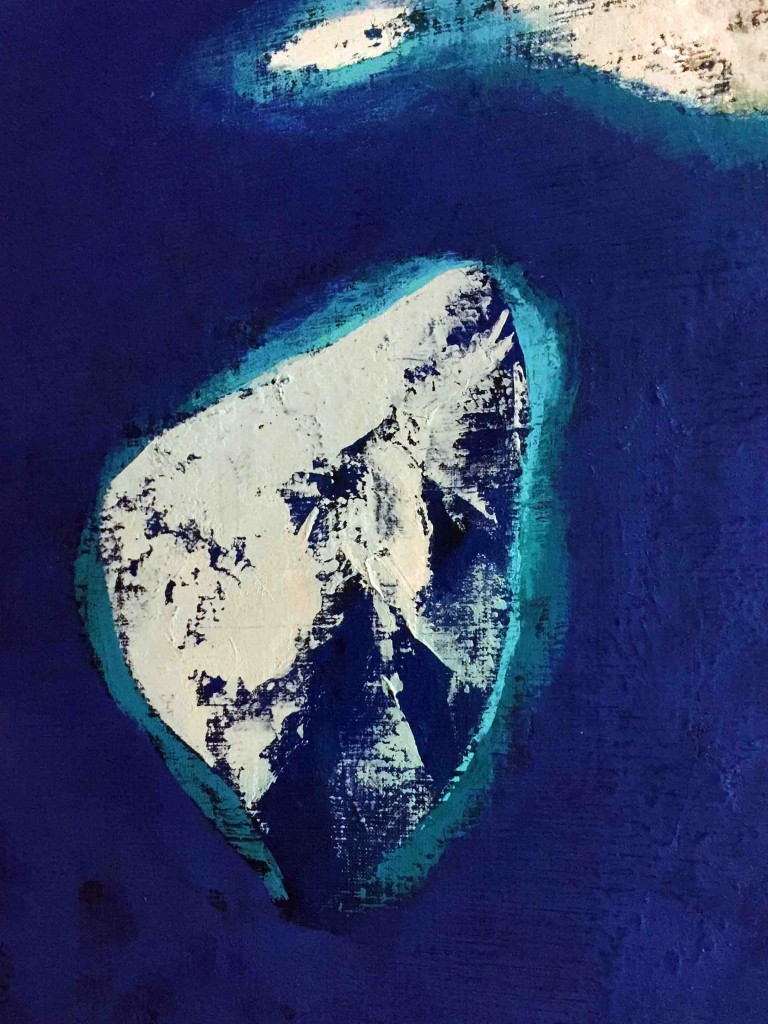
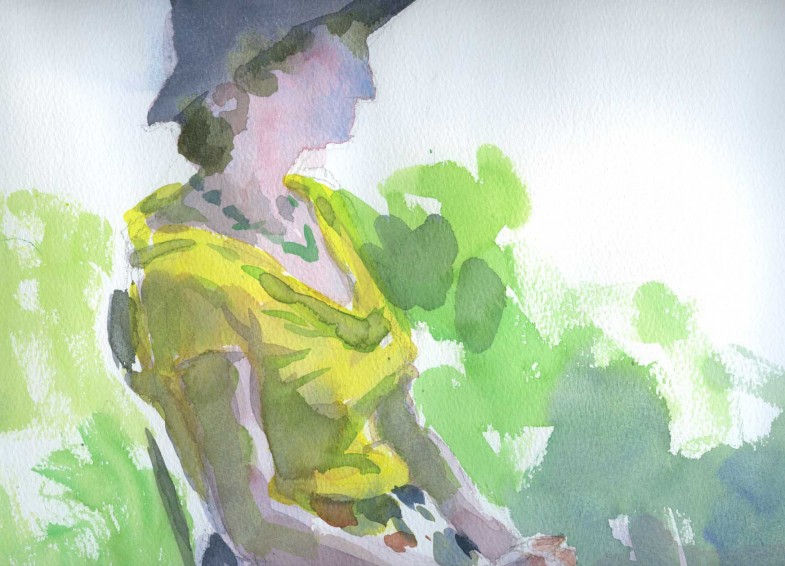
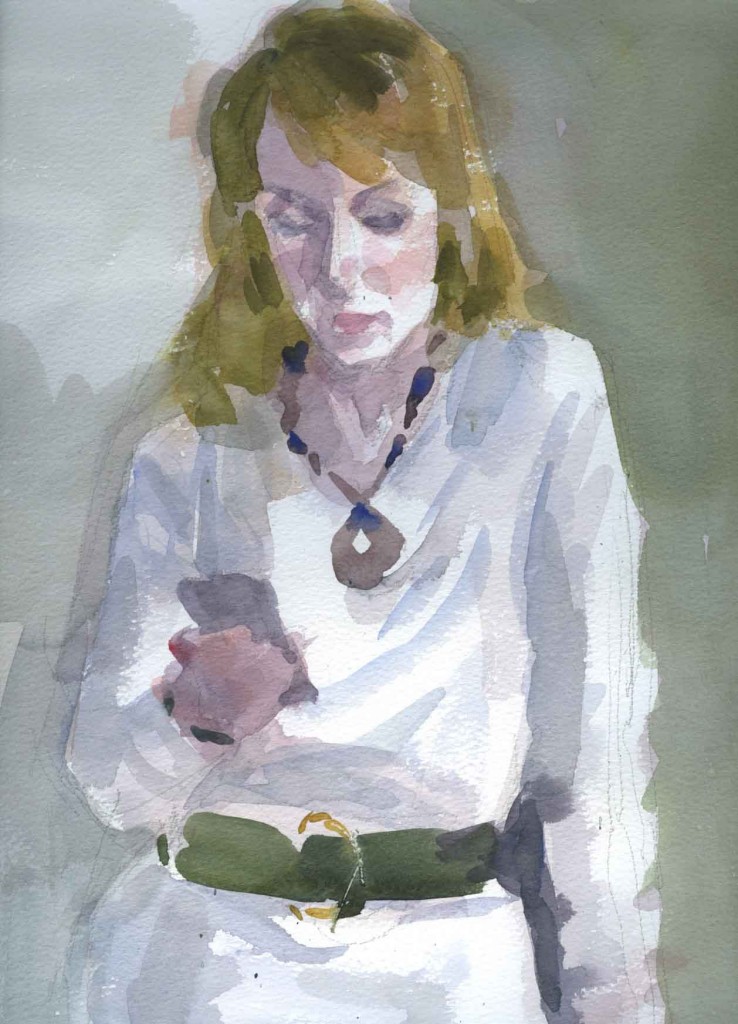
I attended the classroom for 10 years.。Almost no absences。I also drew a pretty big picture.。But、I did not enter it into any competitions.。The teacher didn't particularly tell me to show it either.。Personally, I wanted to put out a little bit of it, but、wasn't proactive。home、It's not that I was dissatisfied with it.。But、Somehow、Just like the air is slowly coming out of a balloon、I suddenly felt like I wasn't feeling well anymore.。
I have physical strength。fine、fine。Even after I quit the classroom, I still had the desire to draw.、Here it is、If you don't say something like that, there won't be any competition.。10Is it the yearly inertia?。
I have to draw a picture、an idea comes to mind。When I'm drawing、Hands full with processing at hand。I can't think of it.。so、When an idea comes to me, I want to draw it.。When I start drawing、Where you can't do it、You'll find out what's wrong pretty quickly.、Even myself。But、I don't know what to do。I can't leave it alone.、Is it called personality?。
That's not why I came back.。Somehow。But、I'm thinking of entering a competition next time.。It's not like I have any desire to be selected or win an award.、I think I'll try a little harder。But、If I get selected, I might unexpectedly desire something higher.、Hahaha。