下北 の 自然 -2 / Wild החיים Shimokita-2

ニリンソウとトリカブト

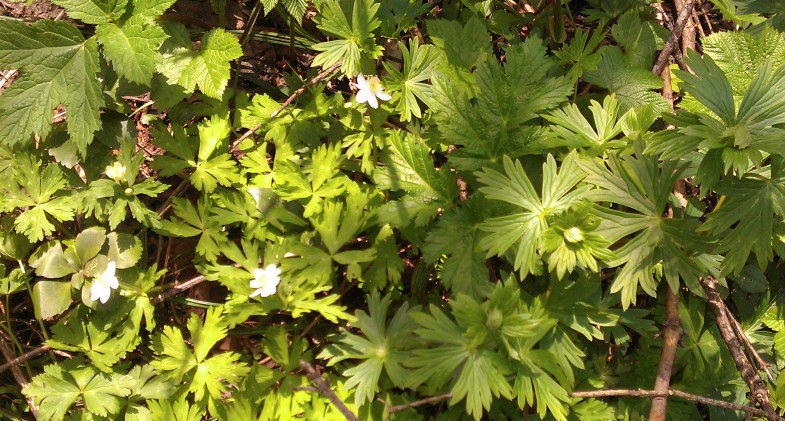
写真は5月1日に撮ったニリンソウとトリカブトのツーショット。אבל、なんとも恐ろしげな1枚でもある。ニリンソウは食べられるが、トリカブトは猛毒の代名詞ともいえる植物だからである。

Windflower (left. with little white flower. It is called “Nirin-so” in Japan ) and Aconitum (right. monkshood. It is called “Tori-kabuto” also) are in this picture was taken on May 1th 2012 in Shimokita. “Nirin” means two flowers directly. “so” means weed. “Tori” is a bird . “kabuto” means japanese traditional hat. Both have similar leaves but actually they have opposit charactor in a sense. “Nirin-so” is edible. The other is very famous for its deadly poison.

左の白い、可愛らしい花の方がニリンソウ。右のやや切れ込みが深く、色の少し暗めなのがトリカブト。似ていると言えば似ている。どちらもキンポウゲ科のイチリンソウ属だから当然かも知れない。生育場所もこのように同じところに生えている。トリカブトは既に背が高くなり始めているが、ニリンソウの花が咲く1週間前なら、もっとよく似ていたはずだ。

Both of them are belong to a family of Ranunculaceae, so they are grown in the same place like this. Aconitums (monkshood) are taller than before, although I’m sure they both must be take after each more at one week ago.

毎年トリカブトの毒で、日本でも数人は死ぬ。早春はニリンソウと、初夏の頃にはやはり山菜のシドケイによく間違えられる。どちらか 一つでも、しっかり総合的に覚える方が安全のためには必要だ。トリカブトは花にも、花粉にも、蜂蜜にも毒がある。解毒剤も無い。趣味の養蜂家は気をつけよう。

Some people will be die from poison of Aconitum every year in Japan. It has poison in not only flowers, pollens but also honey ! If you’d like to go into wild feeld and to take wild vegetables, you should better to get correct information.

下北は山菜・山野草の宝庫だ。手つかずの自然がそこにある。道は極めて快適だ。夏の下北は気温20度から25度前後。クーラーなど不要。むしろ寒いほど。さわやかな山野を歩き、トリカブトの濃紺の花の大群生を観るのも悪くない。

Shimokita peninsula is like a paradise for wild flowers and wild vegetables. The weather will be good for driving, trekking etc in summer time. Enjoy for seeing big colonies filled up with deep blue flowers of Aconitums. 2012/5/2
下北 の 自然 / Wild החיים Shimokita


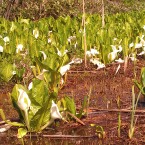
כרוב בואש הוא、זהו אחד מה"עשבים שוטים" המייצגים את חצי האי שימוקיטה.。אם כבר מדברים על כרוב בואש, מיד מקשרים אותו עם אוז.、אני בטוח שאנשים רבים חושבים שזה צמח אלפיני.。בשימוקיטה, מגובה 0 מטר מעל פני הים、יכול לגדול בכל מקום כל עוד יש מים、זה עשב שוטה די "מכוער".。

Skunk cabbage are one of representable weeds in Shimokita peninsula. Most people will associated them with alpine plants in Oze. They are grown everywhere wet over sea level.

גם אם אתה אומר שזה כאב עיניים、זה לא שאני שונא כרוב בואש כשלעצמו.。המקום בו הוא גדל הוא יאג'י.、במילים אחרות, זה מצביע על כך שלא ניתן להשתמש באזורי הביצות לכל מטרה.。מה זה אומר לראות את זה בכל מקום?、כפי שאתה יכול לדמיין。

Skunk cabbage are by no means welcomed here as the place living them means useless land called “yachi” or “yaji”. In Shimokita peninsula, there are a lot of white flowers all over the place.

2012/5/1


四十 九日 / 49 יום

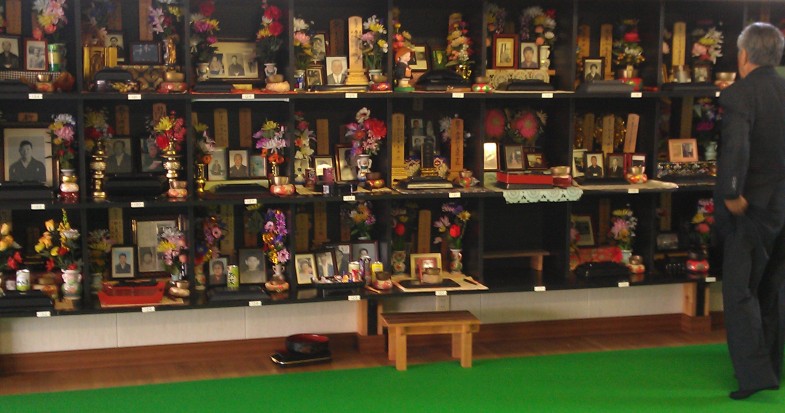
老部(おいぺ)待休所にて  Oipe memorial place

באזכרה ה-49 של אבי、חזרו לכפר שימוקיטה/היגאשידורי。29 באפריל、מסיים את טקס האזכרה בצורה חלקה、עד אז הונחו הלוחות הזמניים במקום המנוחה של הכפר (מקום התכנסות לנמבוצו-בה).、אולם תפילה。הוא הועבר להר אוסור (שיש לו צבע דתי עממי מעניין הדומה לזה של הר אוסור).、אבא שלי הוא עכשיו אחד מאבותיי.。

I’ve been Higashi-dori village for my father’s memorial celemony based on buddism in Shimokita. It means 49 days passed from his death. It is quite common and important custom in Japan. After this celemony, all of living member of his family are able to do ordinary behavior. And then his spirit turn to one of our ancestors. 2012/4/30

בבודהיזם היפני、ל-49 ימים לאחר המוות יש משמעות חשובה מאוד.。בבודהיזם היפני, יום המוות נחשב ליום הראשון.、נניח שמתקיים מדי שבעה ימים משפט לגבי זכויות המתים במהלך חייהם.。שבעת הימים הראשונים יהיו המשפט הראשון.、גם אם אתה מת, מה יקרה לחייך ולמותך בחיים שלאחר המוות?、אני עצבני כי המשפט הראשון יתקיים עבור。שם תומכות המשפחות השכולות、מנסה לתמוך、להציע את ההצעה הראשונה。מנחה היא תרומה לחברה.、זה לא אומר בהכרח שהוא מבוצע עבור נזירים.。בקיצור, המנוח、המשמעות היא שהמשפחה השכולה תטפל במחסור בתרומה החברתית.。ומשפט מתקיים כל שבעה ימים.、פסק הדין יסתיים במשפט השביעי והאחרון.。הניסויים מתקיימים תמיד בשבעה מפגשים.、הפרק האחרון הוא החשוב ביותר。אם זה כאן בחוץ, המתים לא יכולים ללכת לארץ גן העדן הטהורה.、ילך לעזאזל。לכן, המשפחה השכולה מוסרת את המילים האחרונות למנוח.、טען בתרומות כהודיה、חשוב לגבות את הנפטר。אין סיכוי אחרי זה。לכן אנו אומרים שטקס האזכרה ב-49 הוא החשוב ביותר.。

“After 49 days from death” has very impottant meaning for japanese buddism. They say that every death person must be on trial every 7 days after death about his contribution to society (it colled “kudoku” ) at their living time. If the judgement means too short, that death person can not go to Heaven. The 49 days mean the 7th trial. This is final and most impotant chance. S0 most bareaved family would like to help them from this living world. Actually we served gorgeous dinner and money to the buddist priest specially. Sometimes it seems that cost is very big money .

טקס הזיכרון הזה מיועד גם לנזירים.、חשוב ביותר כמקור הכנסה。ביפן המודרנית、זה כאילו הבודהיזם כבר לא קיים.、עדיין יש לה נוכחות גדולה רק כשזה מגיע לקבורת המתים.。``כלכלת הלוויה'' היא, כביכול, גלגל ההצלה של הבודהיזם היפני.。יתרה מכך, העצב של המשפחה השכולה、לערוך יחסי עצבות、הפער בין הצרכים החברתיים להפחית את העומס הפסיכולוגי ככל האפשר、ובין לחץ הזמן של גופות מתפרקות עקב ההתחממות הגלובלית,、למרות שזה נראה מבולגן, יש לו נוכחות ענקית.。זו המשמעות המודרנית של טקס האזכרה בן 49 הימים.、אנחנו היפנים、אין בעיה לגבי הלוויות.、יש להם אופי לאומי מוזר.。

This celemony is not only important for death person but the priest also on a viewpoint of economy. In Japan, real buddism seems disappeared already but it has strongly existance around the celemony like this. Economy with death celemony is a life-line for japanese buddism indeed. Although most of japanese feel death celemony is out of all problem.