下北の自然-2 / Wild life in Shimokita-2

ニリンソウとトリカブト

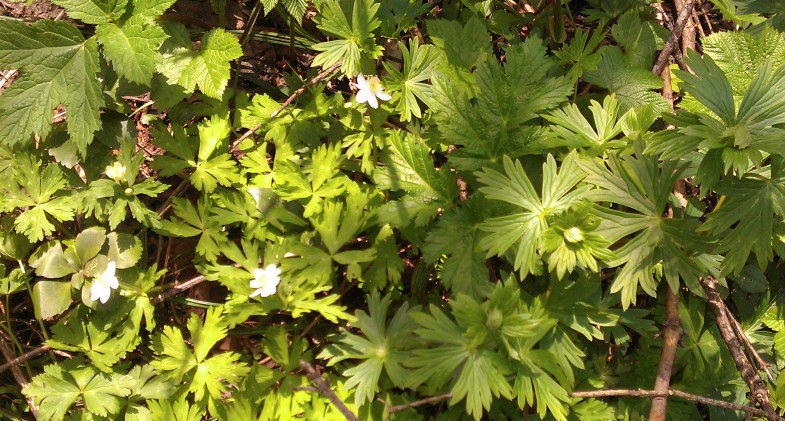
照片是5月1日拍摄的鲱鱼和附子的两张照片。。但、这也是一个非常令人恐惧的作品。。你可以吃二林草,但是、这是因为附子是一种可以说是致命毒药的代名词的植物。。

Windflower (left. with little white flower. It is called “Nirin-so” in Japan ) and Aconitum (right. monkshood. It is called “Tori-kabuto” also) are in this picture was taken on May 1th 2012 in Shimokita. “Nirin” means two flowers directly. “so” means weed. “Tori” is a bird . “kabuto” means japanese traditional hat. Both have similar leaves but actually they have opposit charactor in a sense. “Nirin-so” is edible. The other is very famous for its deadly poison.

左边白色、可爱的花是二林草。右侧的凹口稍深。、附子的颜色有点深。。如果你说相似,那就相似。。这可能是自然的,因为两者都属于毛茛科。。它们也像这样生长在同一个地方。附子已经开始长高了。、距离二林庄花开还有一周、应该更相似。

Both of them are belong to a family of Ranunculaceae, so they are grown in the same place like this. Aconitums (monkshood) are taller than before, although I’m sure they both must be take after each more at one week ago.

年年因附子毒、日本也有不少人死亡。。与二林庄一起的早春、初夏时节,常被误认为是野菜志道溪。。任一、为了安全,一定要记的透彻、全面。。附子也是一种花、也适用于花粉、蜂蜜也有毒。没有解药。爱好养蜂人应小心。

Some people will be die from poison of Aconitum every year in Japan. It has poison in not only flowers, pollens but also honey ! If you’d like to go into wild feeld and to take wild vegetables, you should better to get correct information.

下北是野生植物、野生植物的宝库。。那里有未受破坏的自然环境。道路非常舒适。夏季,下北的气温约为20至25度。。不需要冷却器。比较冷。走过清新的山野、看到乌头大簇的深蓝色花朵,也不错。。

Shimokita peninsula is like a paradise for wild flowers and wild vegetables. The weather will be good for driving, trekking etc in summer time. Enjoy for seeing big colonies filled up with deep blue flowers of Aconitums. 2012/5/2
下北の自然 / Wild life in Shimokita


臭白菜是、它是代表下北半岛的“杂草”之一。。说起臭白菜,人们立刻就会想到尾濑。、相信很多人都认为这是一种高山植物。。下北,海拔0米以上、只要有水的地方都可以生长、这是一种相当“难看”的杂草。。

Skunk cabbage are one of representable weeds in Shimokita peninsula. Most people will associated them with alpine plants in Oze. They are grown everywhere wet over sea level.

就算你说它碍眼、这并不是说我讨厌臭甘蓝本身。。它的生长地是雅集。、换句话说,这表明湿地不能用于任何目的。。到处都能看到它是什么意思?、正如你可以想象的那样。

Skunk cabbage are by no means welcomed here as the place living them means useless land called “yachi” 或 “yaji”. In Shimokita peninsula, there are a lot of white flowers all over the place.

2012/5/1


四十九日 / 49th day

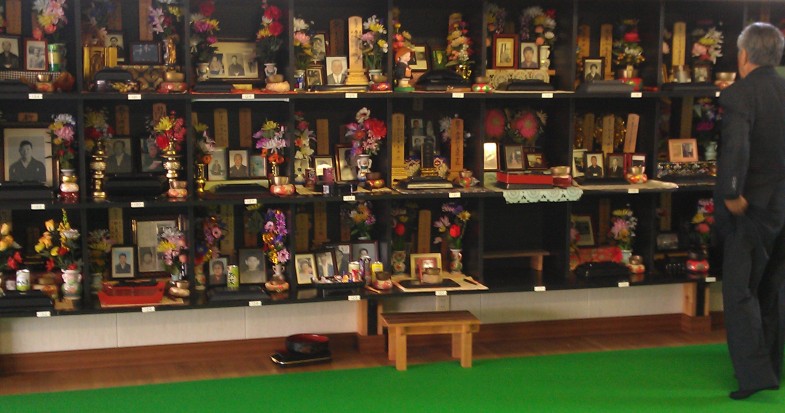
老部(おいぺ)待休所にて  Oipe memorial place

在我父亲的第 49 届追悼会上、返回下北/东通村。4月29日、追悼会顺利结束、在此之前,临时牌位被放置在村庄的休息处(念佛场的聚集地)。、祈祷厅。它被转移到了奥索尔山(这里有与奥索尔山类似的有趣的民间宗教色彩)。、我的父亲现在是我的祖先之一。。

I’ve been Higashi-dori village for my father’s memorial celemony based on buddism in Shimokita. It means 49 days passed from his death. It is quite common and important custom in Japan. After this celemony, all of living member of his family are able to do ordinary behavior. And then his spirit turn to one of our ancestors. 2012/4/30

在日本佛教中、人死后49天有着非常重要的意义。。在日本佛教中,死亡之日被视为第一天。、假设每七天举行一次审判,审判死者生前的功绩。。前 7 天将是第一次审判。、就算你死了,来世你的生死又会怎样?、我很紧张,因为第一次审判即将举行。在那里,死者家属的支持、试图支持、进行第一次奉献。奉献是对社会的捐赠。、这并不一定意味着它是为僧侣表演的。。简而言之,死者、这意味着死者家属将弥补社会贡献的缺口。。每七日进行一次审判。、判决将在第七次也是最后一次审判中得出。。审判总是分七次进行。、最后一集是最重要的。如果在这里的话,死者就不能去极乐净土。、会下地狱。因此,死者家属向死者发出遗言。、装载捐款以示感谢、支持死者很重要。以后就没有机会了。这就是为什么我们说49号的追悼会是最重要的。。

“After 49 days from death” has very impottant meaning for japanese buddism. They say that every death person must be on trial every 7 days after death about his contribution to society (it colled “kudoku” ) at their living time. If the judgement means too short, that death person can not go to Heaven. The 49 days mean the 7th trial. This is final and most impotant chance. S0 most bareaved family would like to help them from this living world. Actually we served gorgeous dinner and money to the buddist priest specially. Sometimes it seems that cost is very big money .

这次追悼会也是为僧人举行的。、作为收入来源极其重要。在现代日本、就好像佛教已经不存在了。、只有在埋葬死者时它仍然有很大的存在。。可以说,“丧葬经济”是日本佛教的生命线。。不仅如此,死者家属的悲痛之情、相对悲伤、社会需求差距尽可能减轻心理负担、而在全球变暖导致尸体腐烂的时间压力之间,、虽然看上去很乱,但是存在感却很大。。这就是为期49天的追悼会的现代意义。、我们日本人、葬礼方面不存在任何问题。、他们有一种奇怪的民族性格。。

This celemony is not only important for death person but the priest also on a viewpoint of economy. In Japan, real buddism seems disappeared already but it has strongly existance around the celemony like this. Economy with death celemony is a life-line for japanese buddism indeed. Although most of japanese feel death celemony is out of all problem.