荒れ地の木/ ”Tree of wasteland” Wild life Shimokita-7

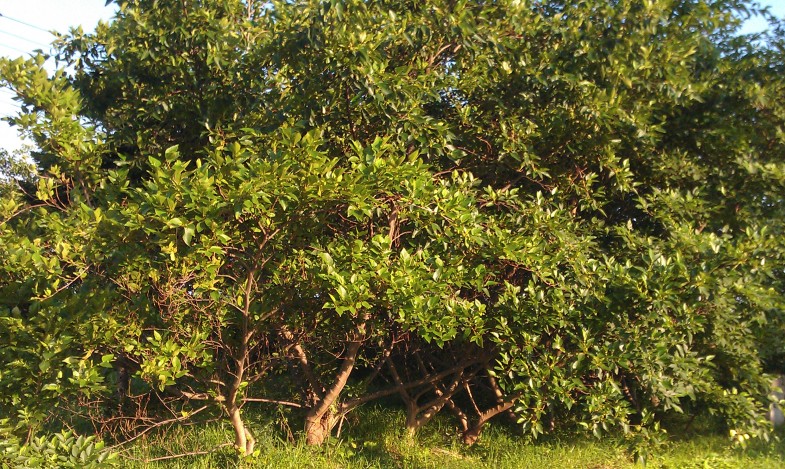
ヤシャブシ / Yashabushi
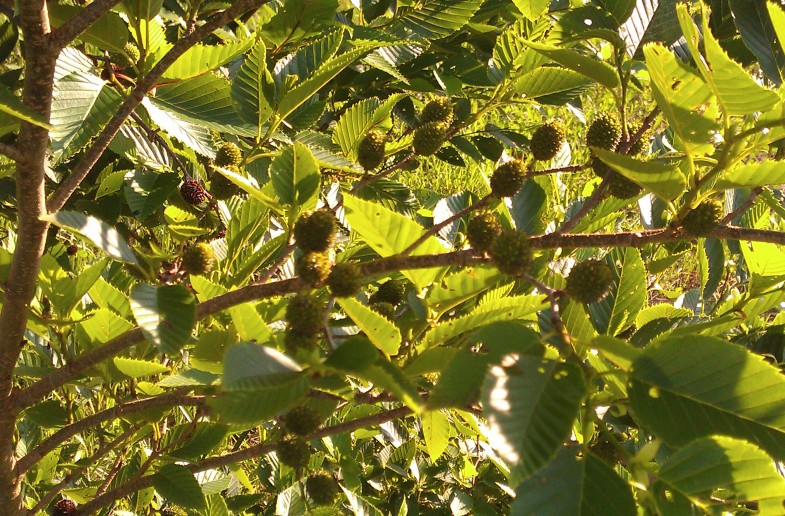
ヤシャブシの実 / Nuts of Yashabushi

Strom predstavujúci Shimokitu、Ak si urobíte prieskum, bude to 100% pravda.。Volá sa Aomori Hiba, no v regióne Tsugaru nie je veľa Hiba.。Slávnou oblasťou výroby Hiba je nepochybne polostrov Shimokita.。Moji rodičia majú tiež horu Hiba.、vyrezať to a predať、Tak nás kŕmili naši dedovia a otcovia.。Takpovediac zjedzte Hibu、Akoby som vyrastal a dýchal tú vôňu.。V tomto zmysle mám povinnosť zaradiť Hibu na prvé miesto, nech sa deje čokoľvek.。Avšak、Dovolím si tu spomenúť „Yashabushi“.。

If we have a questionnaires survey in Japan as what is the tree of representative Shimokita , it must be “Hiba ” trees that wii get 100 % of votes. As famous “Aomori-hiba” , but Hiba lives in Tugaru area in Aomori pref a little. It is the best location of product is Shimokita. My grand and my father have brought up our family by keeping Hiba forests and selling those trees. In a sense, it looks like that I heve grown up by eating “Hiba” trees and brething its beautiful perfume. So I know that I have to push it up as Nunber 1 of the tree of Shimokita. However , I’d like to nominate “Yasyabushi” as No, 1 in this time.※”Hiba” is a kind of “Hinoki ” trees. This kind of tree is valued at the best of woods from the old time in Japan.

Palma je silný strom, ktorý môže rásť v akejkoľvek pustatine.。Rast tohto stromu stabilizuje pôdu.、môže urobiť ďalší krok。Palma sa prudko ohýba、Nie je dostatočne pevný ako stavebný materiál、Nielenže je to zbytočné、Miestni strom nemajú radi, pretože bráni rozvoju.。Avšak、Ak sa nad tým dôkladne zamyslíte, dalo by sa povedať, že Yashabushi je vodca, ktorý sa rúti do pustatiny.。V istom zmysle je strom kameňom, ktorý tu zostane pre ďalšiu generáciu.。Ak to porovnáme s ľuďmi、Je to skvelý chlap, ktorý sa so mnou nedá porovnávať.、Je to tiež strom, ktorý v mojom srdci vyvoláva pocit úžasu.。

“Yashabushi” is very strong trees lived in all kind of the wasteland. The soil of damp ground is stabilised by this tree that live in. That wasteland will be good condition for people’s usu. However this tree itself is not only completely usufull at timber, but it also interrut grow other plant’s up. So it has been hatred by local people. Howevew, from the other point of view, Yashabushi is like a pioneer of opening bushes. So I feel like to respect it.
 

レースフラワー / Lace flower(wild life Shimokita-5)

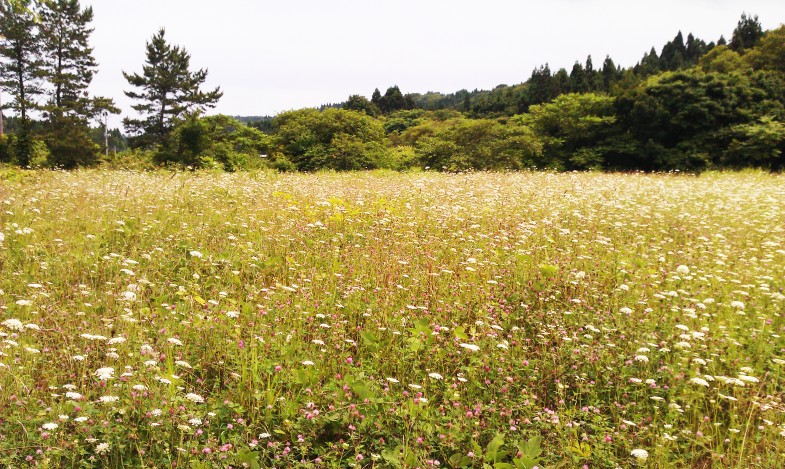
レースフラワーはただの雑草/Lace flower is just a weed
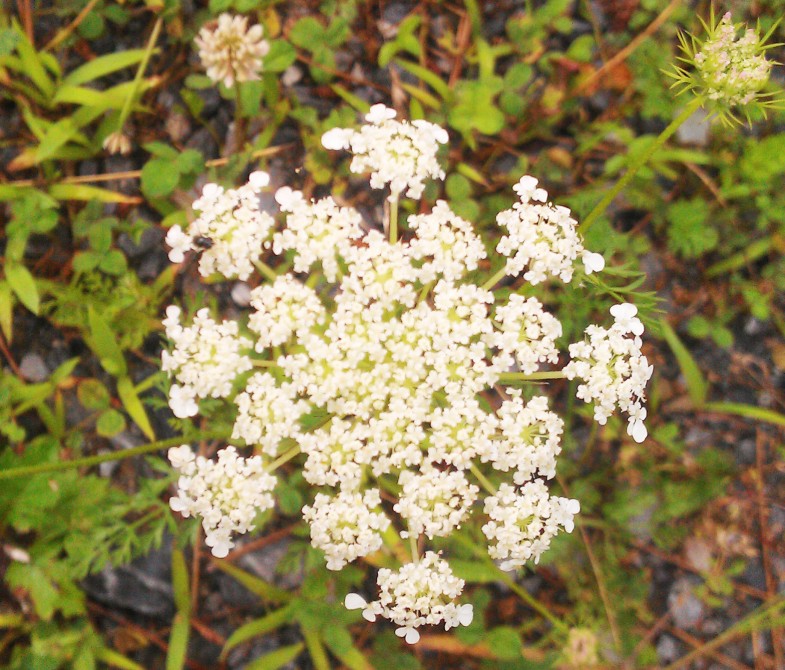
レースフラワー/ Laceflower

レースフラワーが溢れるように咲いていた道の両側にもずっと家の周りにもぐるっと空き地にはまるで種を蒔いた畑のように咲いていたまさにこの時期の下北の(特に東通村の)雑草だが今回まで気づかなかったもう何年もこの季節に下北に帰らなかったことを美しく問い詰められた思いだった不在にしたこの数年間に急激に増えたのだと思う

There were so many laceflowres. Along every roads, surrounding the houses. It comes out in every vacant lots as a seeded fields. This flower is as typical one in Shimokita (especialy Higashi-dori villg) now, however I had not found it before. I felt it criticized me beautifully for not coming back home land for long time in this season. It may be planted for last few years and then reproduces rapidly, I think.

「レースフラワー」は総称である何種類かのレースフラワーを現地でも確認したいずれも基本的にはセリ科の花で茎に棘の有る無しなどかなりの変化がある都会では今案外に流行っているらしい調べてみると色は白ピンクブルーブラック紫がかったものなどが栽培されているらしい値段も一本90円くらいから400円近くするものまであるようだ仮に一本100円として村内に1000万本咲いているなら、10億円のお宝がただ風にそよいでいることになるもったいないと言っても始まらない一緒に下北の風に吹かれているのが最も正しい対し方なのかもしれない

“Laceflower” is the generic name of some kind of lacy flowers. I find it away. It has several variations on colors, shapes, prickles etc, although basicaly beongs to umbelliferae. In this time it looks popular in a city. It has been planted white ones, pink, blue, black! in many fields. These Prices are about from 90 to 400 yen per each. If it may be sold 100 yen as well, and 10 milion ones in this village, so it makes 100 milion yen. It just waves everywhere by free. But it is just a calculation. In a sense, it may be the best way that you just receive the wind in Shimokita with these laceflowers.

下北の自然4 / Wild life Shimokita-4 


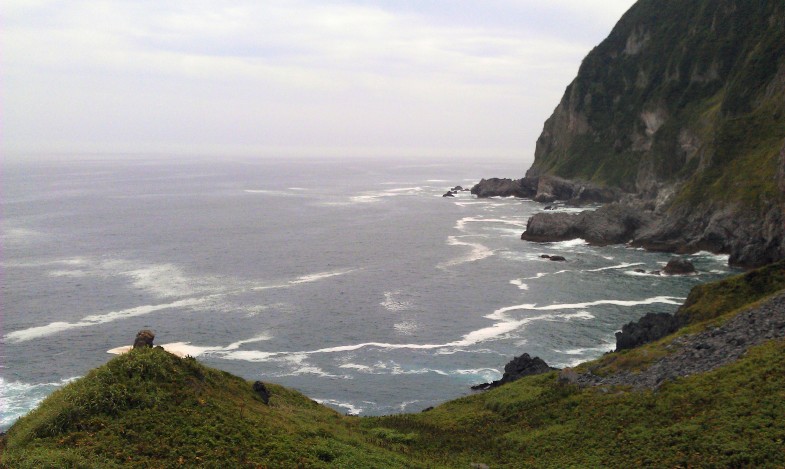
下北半島北東端からの海/Sea from the north-east point of Honsyu-island


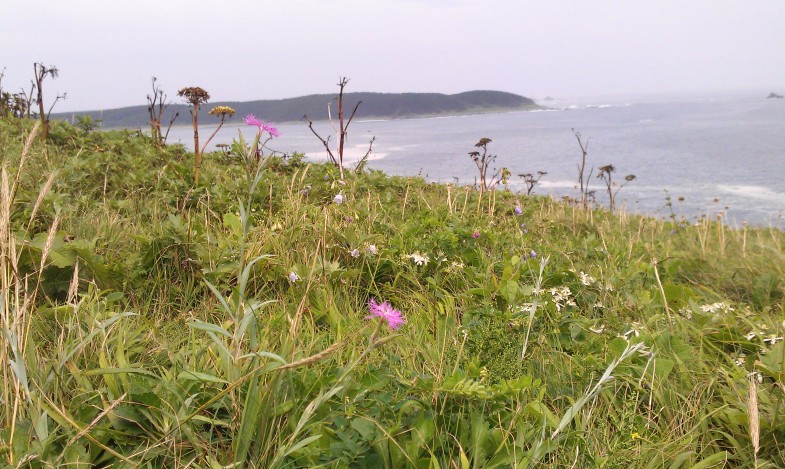
断崖上の植物群/Plants on the bluff

ほぼ2カ月ぶりの報告です忙しさや体調不良等いろいろあってどうにもできませんでしたコメント下さった方有難うございました

Thank you very much for your coments. I couldn’t afford to have the time to uplord for two months.

8月10日から23日まで実家のある下北半島・東通村へ父の新盆と母の見舞いに行ってきましたついでに数十枚の簡単なスケッチもしてきましたそれらはいずれ公開したいと思います

I had been staying Higashi-dori village in Shimokita peninsula about two weeks from August 10 to 23, to hold a Buddist memorial service for my deceased father. In Japan, the term from August 13 to 16 is called “Obon”, is held a Buddist celemony for each famirial ancestors every year. I took care of my mother there and I sketched some decades of paper in landscape at the same time. I’ d like to show my drawings after now.

東通村は本州最北東端の尻屋崎を含むいわゆるマサカリ半島の柄の東側からてっぺんまでの青森県で2番目に広い村「ヤマセ」と呼ばれる海の湿気を大量に含んだ東風が低い丘陵に当たって渦を巻き霧を発生させて日光を遮るそのため恒常的に日射不足となり気候は青森県内でも特に冷涼な地域である県内の各地よりむしろ北海道・渡島桧山地方に近い気候で夏でも最高気温が30度を越えることはあまりない逆に20度を下回ることはままある

That village where is tha top of North-east of Hon-shu island, is the second largest village in Aomori pref. This is in microthermal climate zone. There is the east wind in summer called famous “Yamase” which is included large dame air from the sea. It makes fog which cover there and block off the sunlight. This climete is similar to east side of Hokkaido island’s rather than other place in Aomori pref. It isn’t often over 30℃ high but it is sometimes under 20℃ in summer.

このような北海道とは津軽海峡にて隔てられかつ海岸冷涼湿地帯という特殊な環境による独特の動植物の生態が見られるスケッチをしているとそういうことに敏感になる例えば上の写真は高さ200メートルを越える断崖でハヤブサの数つがいの営巣が見られるまた鷹の仲間であるノスリやミサゴも近くに生息する写真下は近くの断崖上の植物群いわゆる高山植物がここでは海抜0mから見られるのである(もう少し詳しい情報は東通村・老部(おいぺ)ノーザンホテルまで)

In addition, here is separated from Hokkaido with Tsugaru channel, so we can see several distinctive kind of plants, animals and the ecology of them. Durling the sketch, I felt it repeatedly. Some couple of falcon nest in over 200 or 300 meters bluff (photo above). It is easily to see some other kind of howks, for example common buzzerd and osprey etc. You can find many alpine plants at seaside also. (If you want more information, ask Nothern hotel in higashi-dori village)