荒れ地の木/ ”Tree of wasteland” Wild life Shimokita-7

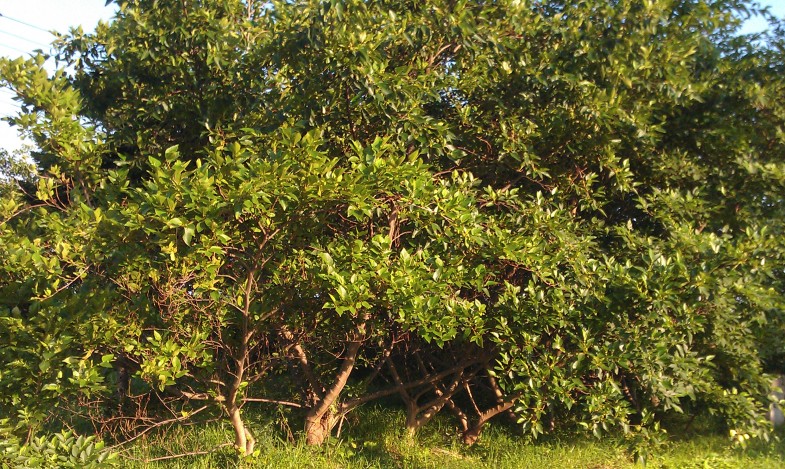
ヤシャブシ / Yashabushi
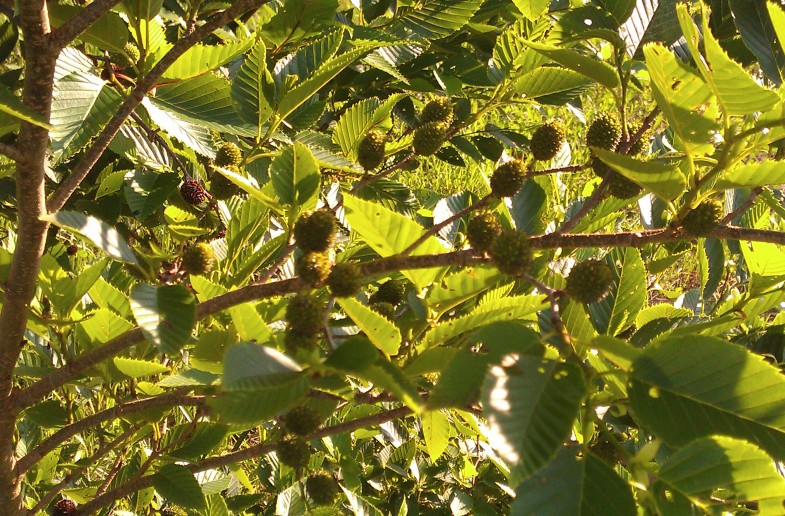
ヤシャブシの実 / Nuts of Yashabushi

शिमोकिता का प्रतिनिधित्व करने वाला एक पेड़、अगर आप सर्वे करेंगे तो यह 100 फीसदी सच होगा.。इसे आओमोरी हिबा कहा जाता है, लेकिन त्सुगारू क्षेत्र में बहुत अधिक हिबा नहीं हैं।。हिबा का प्रसिद्ध उत्पादन क्षेत्र निस्संदेह शिमोकिता प्रायद्वीप है।。मेरे माता-पिता के पास भी माउंट हिबा है।、इसकी लकड़ी बनाओ और इसे बेचो、हमारे दादा-दादी हमें इसी तरह खाना खिलाते थे।。तो बोलने के लिए, हिबा खाओ、यह ऐसा है जैसे मैं उस खुशबू में सांस लेते हुए बड़ा हुआ हूं।。इस लिहाज से, चाहे कुछ भी हो, हिबा को नंबर एक स्थान देना मेरा दायित्व है।。लेकिन、मैं यहां "यशाबुशी" का उल्लेख करने का साहस कर रहा हूं।。

If we have a questionnaires survey in Japan as what is the tree of representative Shimokita , it must be “Hiba ” trees that wii get 100 % of votes. As famous “Aomori-hiba” , but Hiba lives in Tugaru area in Aomori pref a little. It is the best location of product is Shimokita. My grand and my father have brought up our family by keeping Hiba forests and selling those trees. In a sense, it looks like that I heve grown up by eating “Hiba” trees and brething its beautiful perfume. So I know that I have to push it up as Nunber 1 of the tree of Shimokita. However , I’d like to nominate “Yasyabushi” as No, 1 in this time.※”Hiba” is a kind of “Hinoki ” trees. This kind of tree is valued at the best of woods from the old time in Japan.

ताड़ का पेड़ एक मजबूत पेड़ है जो किसी भी बंजर भूमि में उग सकता है।。इस पेड़ की वृद्धि से मिट्टी स्थिर हो जाती है।、अगला कदम उठा सकते हैं。ताड़ का पेड़ तेजी से झुकता है、भवन निर्माण सामग्री के रूप में पर्याप्त मजबूत नहीं है、इतना ही नहीं यह किसी काम का नहीं है、स्थानीय लोग इस पेड़ को नापसंद करते हैं क्योंकि यह विकास में बाधा डालता है।。लेकिन、यदि आप इसके बारे में ध्यान से सोचें, तो आप कह सकते हैं कि यशाबुशी एक ऐसा नेता है जो बंजर भूमि में घुस जाता है।。एक तरह से, पेड़ अगली पीढ़ी के लिए छोड़ दिया गया एक पत्थर है।。अगर हम इसकी तुलना इंसानों से करें、वह एक महान व्यक्ति हैं जिनकी तुलना मुझसे नहीं की जा सकती।、यह एक ऐसा पेड़ भी है जो मेरे दिल में विस्मय की भावना पैदा करता है।。

“Yashabushi” is very strong trees lived in all kind of the wasteland. The soil of damp ground is stabilised by this tree that live in. That wasteland will be good condition for people’s usu. However this tree itself is not only completely usufull at timber, but it also interrut grow other plant’s up. So it has been hatred by local people. Howevew, from the other point of view, Yashabushi is like a pioneer of opening bushes. So I feel like to respect it.
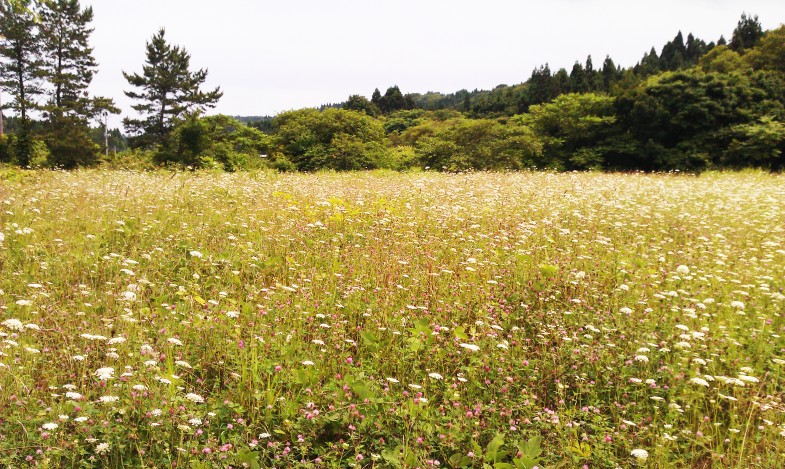
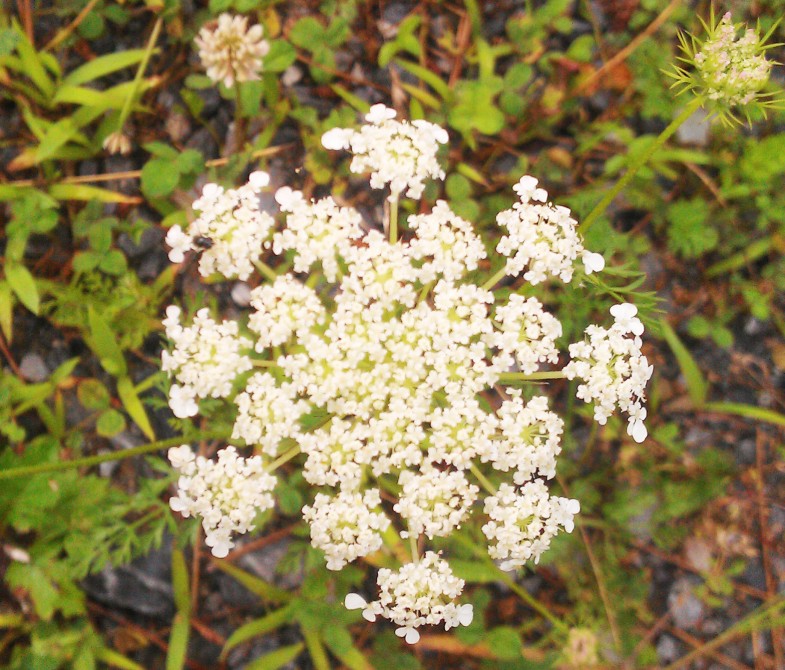
 

レースフラワー / Lace flower(wild life Shimokita-5)

レースフラワーはただの雑草/Lace flower is just a weed
レースフラワー/ Laceflower

レースフラワーが溢れるように咲いていた。道の両側にもずっと、家の周りにもぐるっと。空き地にはまるで種を蒔いた畑のように、咲いていた。まさにこの時期の下北の(特に東通村の)雑草だが、今回まで気づかなかった。もう何年もこの季節に下北に帰らなかったことを、美しく問い詰められた思いだった。不在にしたこの数年間に急激に増えたのだと思う。

There were so many laceflowres. Along every roads, surrounding the houses. It comes out in every vacant lots as a seeded fields. This flower is as typical one in Shimokita (especialy Higashi-dori villg) now, however I had not found it before. I felt it criticized me beautifully for not coming back home land for long time in this season. It may be planted for last few years and then reproduces rapidly, I think.

「レースフラワー」は総称である。何種類かのレースフラワーを現地でも確認した。いずれも基本的にはセリ科の花で、रंग、形、茎に棘の有る無しなど、かなりの変化がある。都会では今、案外に流行っているらしい。調べてみると、色は白、ピンク、ブルー、काला、紫がかったものなどが栽培されているらしい。値段も一本90円くらいから400円近くするものまであるようだ。仮に一本100円として村内に1000万本咲いているなら、10億円のお宝がただ風にそよいでいることになる。もったいないと言っても始まらない。一緒に下北の風に吹かれているのが、最も正しい対し方なのかもしれない。

“Laceflower” is the generic name of some kind of lacy flowers. I find it away. It has several variations on colors, shapes, prickles etc, although basicaly beongs to umbelliferae. In this time it looks popular in a city. It has been planted white ones, pink, blue, black! in many fields. These Prices are about from 90 to 400 yen per each. If it may be sold 100 yen as well, and 10 milion ones in this village, so it makes 100 milion yen. It just waves everywhere by free. But it is just a calculation. In a sense, it may be the best way that you just receive the wind in Shimokita with these laceflowers.

下北の自然4 / Wild life Shimokita-4 


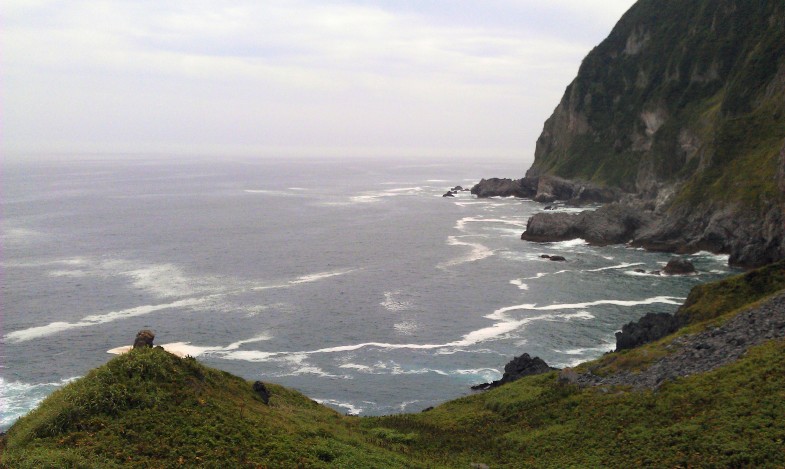
下北半島北東端からの海/Sea from the north-east point of Honsyu-island


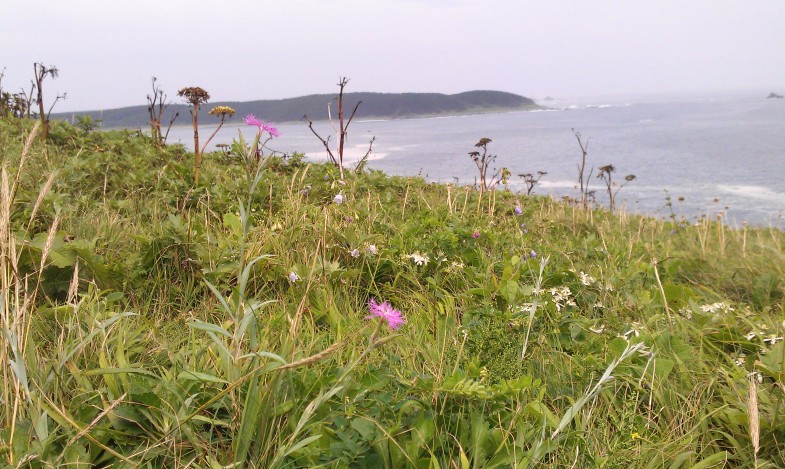
断崖上の植物群/Plants on the bluff

लगभग 2 महीनों में यह मेरी पहली रिपोर्ट है।。व्यस्त कार्यक्रम, खराब स्वास्थ्य आदि के कारण।、मैं इसकी मदद नहीं कर सका。जिन्होंने कमेंट किया、आपका बहुत-बहुत धन्यवाद。

Thank you very much for your coments. I couldn’t afford to have the time to uplord for two months.

10 से 23 अगस्त तक, मैं शिमोकिता प्रायद्वीप पर हिगाशिटोरी गांव गया जहां मेरे माता-पिता रहते हैं।、मैं न्यू बॉन और अपनी माँ के लिए अपने पिता से मिलने गया।。मैंने कुछ दर्जन सरल रेखाचित्र भी बनाये।。मैं किसी दिन उन्हें प्रकाशित करना चाहूंगा。

I had been staying Higashi-dori village in Shimokita peninsula about two weeks from August 10 to 23, to hold a Buddist memorial service for my deceased father. In Japan, the term from August 13 to 16 is called “Obon”, is held a Buddist celemony for each famirial ancestors every year. I took care of my mother there and I sketched some decades of paper in landscape at the same time. I’ d like to show my drawings after now.

हिगाशिटोरी गांव में होंशू का सबसे उत्तरपूर्वी छोर शिरियाज़ाकी शामिल है।、तथाकथित मसाकारी प्रायद्वीप के पूर्व की ओर से शीर्ष तक、आओमोरी प्रान्त का दूसरा सबसे बड़ा गाँव。इसे "यमसे" कहा जाता है、पूर्वी हवा, जिसमें समुद्र से बड़ी मात्रा में नमी होती है, निचली पहाड़ियों से टकराती है और चारों ओर घूमती है।、सूरज की रोशनी को रोकने के लिए कोहरा बनाएं。परिणामस्वरूप, सूर्य के प्रकाश की लगातार कमी हो रही है, जिससे आओमोरी प्रान्त की जलवायु सबसे ठंडी में से एक बन गई है।。जलवायु प्रान्त के अन्य भागों की तुलना में होक्काइडो के ओशिमा हियामा क्षेत्र के अधिक निकट है।、गर्मियों में भी, अधिकतम तापमान शायद ही कभी 30 डिग्री से अधिक हो।。दूसरी ओर, तापमान अक्सर 20 डिग्री से नीचे चला जाता है।。

That village where is tha top of North-east of Hon-shu island, is the second largest village in Aomori pref. This is in microthermal climate zone. There is the east wind in summer called famous “Yamase” which is included large dame air from the sea. It makes fog which cover there and block off the sunlight. This climete is similar to east side of Hokkaido island’s rather than other place in Aomori pref. It isn’t often over 30℃ high but it is sometimes under 20℃ in summer.

इस कदर、त्सुगारू जलडमरूमध्य द्वारा होक्काइडो से अलग किया गया、और तटीय ठंडे और गीले क्षेत्र के विशेष वातावरण के कारण।、आप वनस्पतियों और जीवों की अनूठी पारिस्थितिकी देख सकते हैं。स्केचिंग करते समय、ऐसी चीजों के प्रति संवेदनशील बनें。उदाहरण के लिए, ऊपर दी गई तस्वीर 200 मीटर से अधिक ऊंची चट्टान दिखाती है।、पेरेग्रीन बाज़ के कई जोड़े घोंसला बनाते हुए देखे जा सकते हैं।。बज़र्ड और ऑस्प्रे, जो बाज़ परिवार के सदस्य हैं, भी पास में रहते हैं।。नीचे दी गई तस्वीर पास की चट्टान पर पौधों के एक समूह को दिखाती है।。तथाकथित अल्पाइन पौधे、यहां आप इसे समुद्र तल से देख सकते हैं।。(अधिक विस्तृत जानकारी के लिए, कृपया हिगाशिटोरी गांव/ओइप पर जाएं)、(उत्तरी होटल के लिए)

In addition, here is separated from Hokkaido with Tsugaru channel, so we can see several distinctive kind of plants, animals and the ecology of them. Durling the sketch, I felt it repeatedly. Some couple of falcon nest in over 200 या 300 meters bluff (photo above). It is easily to see some other kind of howks, for example common buzzerd and osprey etc. You can find many alpine plants at seaside also. (If you want more information, ask Nothern hotel in higashi-dori village)