下北 の 自然 / -3 वन्य जीवन Shimokita-3

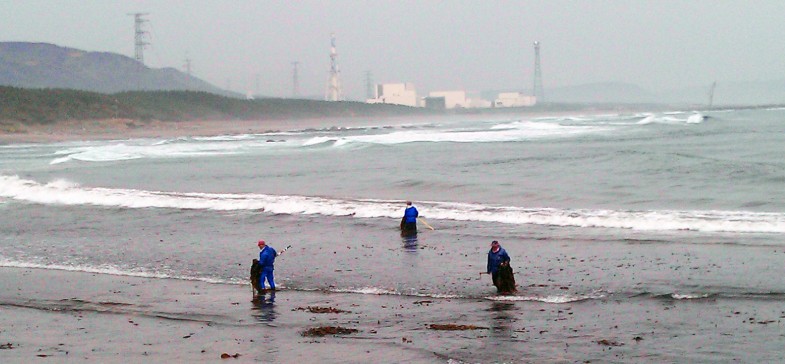
早春の流れ昆布を拾う/Gathering kelp

समुद्री घास एकत्र करने का परिदृश्य。केल्प शुरुआती वसंत से पतझड़ तक लगभग हर दिन समुद्र तट पर बहता है (मुझे लगता है कि यह सर्दियों में भी बहता है)।、संभवतः इसे उठाने वाला कोई नहीं है।)。कुछ दिन इस दिन की तरह ही होते हैं।、और भी दिन、ऐसे भी दिन होंगे जब कम होंगे。वह स्थान जहां वह प्रक्षेपित होता है, तरंगों पर भी निर्भर करता है।。भले ही आप कहें कि आप तैरती हुई समुद्री घास उठा रहे हैं,、दरअसल, ये पैसा है。इसके अलावा, कुछ लोग ऐसी रकम ``उठा'' लेते हैं जो कभी भी हास्यास्पद नहीं होती।。यदि आपके पास ग्रामीण इलाकों में कोई विलासिता नहीं है、कहा जाता है कि इस पर कुछ लोग अकेले रह सकते हैं।。पृष्ठभूमि में सफेद इमारत तोहोकू इलेक्ट्रिक पावर कंपनी का हिगाशिटोरी परमाणु ऊर्जा संयंत्र है।。

This is a distant view of gathering kelp(Kommbu). In Shimokita, it is familiar during from early spring to lately autum. May be in winter also, but nobody would do it. For the people living at seaside, Gathering kelp isn’t so cheaply way for thier famiries to live. It could be good income for tthem. As long as didn’t wast , you could keep average life there, as I’ve heard. White building in distance is Higashi-do-ri nuclear power plant.

फ्लोटिंग केल्प अनियमित रूप से फटा हुआ है।、ऐसे में उचित मूल्य पर बेचना मुश्किल है。सूखा、जो हिस्से अच्छे नहीं लगते उन्हें काट दें、केवल अच्छे हिस्सों का एक छोटा बंडल बनाएं。वह प्रयास टुकड़ों को उठाने से कहीं अधिक कठिन है।。ऐसे भी दिन आते हैं जब मैं एक भी टुकड़ा नहीं उठा पाता।、जब आप बहुत कुछ उठा सकते हैं、यह आश्चर्यजनक रूप से अच्छी आय प्रतीत होती है।。इसके अलावा (और यह महत्वपूर्ण है), यह मानवीय रिश्तों के तनाव से मुक्त है।、यह प्रकृति के साथ एक स्वस्थ कार्य है।。लेकिन आधा काम किस्मत पर छोड़ दिया जाता है。शहरी व्यक्ति、प्रति घंटा दक्षता के दृष्टिकोण से, यह संदिग्ध है कि क्या इसे कार्य भी कहा जा सकता है।。शायद समुद्र के किनारे रहने का यही मतलब है।。

Drifting kelp had br0ken off , so you can’t sell for normal price as it is. So you have to cut off any parts of bad lookings, and then after dry it, get to some short bundles etc. It must takes time more than gathering kelp itself. Although it is natural and healthy job without troublesome human relations. It may be inportant thing, may not be ? On the other hand, they say that the job trust on providence in a half. It is suspected that is real buisines or not from the viewpoint of city-dweller. That’s all might is the life in seaside. 2012-5-11
下北 の 自然 Shimokita-2 में / -2 वन्य जीवन

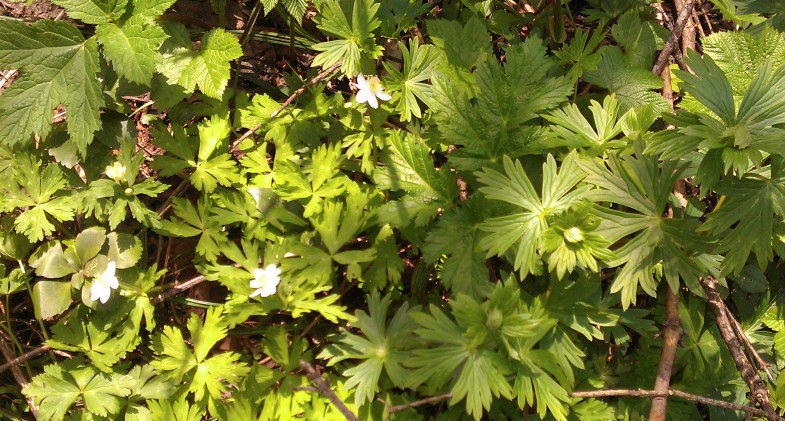
ニリンソウとトリカブト

यह तस्वीर 1 मई को ली गई हेरिंग और एकोनाइट की दो-शॉट वाली है।。लेकिन、यह भी बहुत भयावह टुकड़ा है.。आप निरिंसौ खा सकते हैं, लेकिन、ऐसा इसलिए क्योंकि एकोनाइट एक ऐसा पौधा है जिसे जानलेवा जहर का पर्याय कहा जा सकता है।。

Windflower (left. with little white flower. It is called “Nirin-so” in Japan ) and Aconitum (right. monkshood. It is called “Tori-kabuto” also) are in this picture was taken on May 1th 2012 in Shimokita. “Nirin” means two flowers directly. “so” means weed. “Tori” is a bird . “kabuto” means japanese traditional hat. Both have similar leaves but actually they have opposit charactor in a sense. “Nirin-so” is edible. The other is very famous for its deadly poison.

बायीं ओर सफेद、प्यारा फूल है निरिंसो。दाहिनी ओर का पायदान थोड़ा गहरा है।、एकोनाइट का रंग थोड़ा गहरा होता है।。यदि आप कहें कि वे समान हैं, तो वे समान हैं।。यह स्वाभाविक हो सकता है क्योंकि वे दोनों रानुनकुलेसी परिवार से हैं।。ये भी इसी तरह एक ही जगह उगते हैं。एकोनाइट पहले से ही लंबा होना शुरू हो गया है।、निरिंसो के फूल खिलने से एक सप्ताह पहले、इसे और अधिक समान होना चाहिए था。

Both of them are belong to a family of Ranunculaceae, so they are grown in the same place like this. Aconitums (monkshood) are taller than before, although I’m sure they both must be take after each more at one week ago.

हर साल एकोनाइट जहर के कारण、जापान में भी कई लोगों की मौत हो जाती है.。निरिंसौ के साथ शुरुआती वसंत、गर्मियों की शुरुआत में, इसे अक्सर जंगली सब्जी शिडोकी समझ लिया जाता है।。या तो एक、सुरक्षा के लिए चीजों को अच्छी तरह और व्यापक रूप से याद रखना जरूरी है।。एकोनाइट भी एक फूल है、पराग के लिए भी、शहद भी जहरीला होता है。कोई मारक नहीं है。शौकीन मधुमक्खी पालकों को सावधान रहना चाहिए。

Some people will be die from poison of Aconitum every year in Japan. It has poison in not only flowers, pollens but also honey ! If you’d like to go into wild feeld and to take wild vegetables, you should better to get correct information.

शिमोकिता जंगली पौधों और जंगली पौधों का खजाना है।。निष्कलंक प्रकृति वहां है。सड़क बेहद आरामदायक है。गर्मियों में शिमोकिता में तापमान 20 से 25 डिग्री के आसपास रहता है।。कूलर की जरूरत नहीं。बल्कि अधिक ठंडा。ताज़गी भरे पहाड़ों और मैदानों के बीच से चलें、एकोनाइट के गहरे नीले फूलों के बड़े समूह देखना बुरा नहीं है।。

Shimokita peninsula is like a paradise for wild flowers and wild vegetables. The weather will be good for driving, trekking etc in summer time. Enjoy for seeing big colonies filled up with deep blue flowers of Aconitums. 2012/5/2

下北 の 自然 / Shimokita में वन्य जीवन


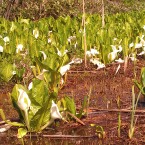
स्कंक गोभी है、यह शिमोकिता प्रायद्वीप के सबसे प्रतिनिधि "मातम" में से एक है。जब आप स्कंक शू के बारे में सोचते हैं, तो आप तुरंत ओज के बारे में सोचते हैं।、बहुत से लोगों को इसे अल्पाइन प्लांट के रूप में सोचना चाहिए。शिमोकिता समुद्र तल से 0 मीटर से है、यह पानी के साथ कहीं भी बढ़ सकता है、यह थोड़ा "आईटिक" खरपतवार है。

Skunk cabbage are one of representable weeds in Shimokita peninsula. Most people will associated them with alpine plants in Oze. They are grown everywhere wet over sea level.

भले ही आप कहें "आंख、ऐसा नहीं है कि मैं स्कंकशो से खुद नफरत करता हूं。यह वह जगह है जहां यह बढ़ता है、इसका मतलब यह है कि यह एक आर्द्रभूमि है जिसका उपयोग किसी भी उद्देश्य के लिए नहीं किया जा सकता है।。हर जगह देखने का क्या मतलब है?、जैसा कि आप कल्पना कर सकते हैं。

Skunk cabbage are by no means welcomed here as the place living them means useless land called “yachi” या “yaji”. In Shimokita peninsula, there are a lot of white flowers all over the place.

2012/5/1