荒れ地の木/ ”Tree of wasteland” Wild life Shimokita-7

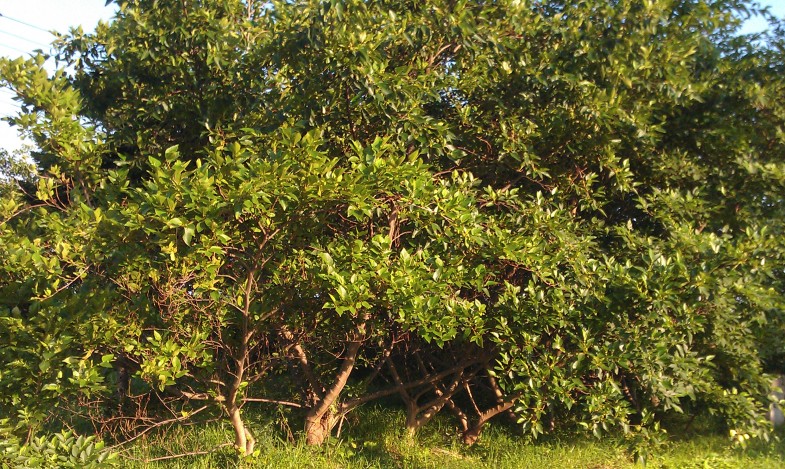
ヤシャブシ / Yashabushi
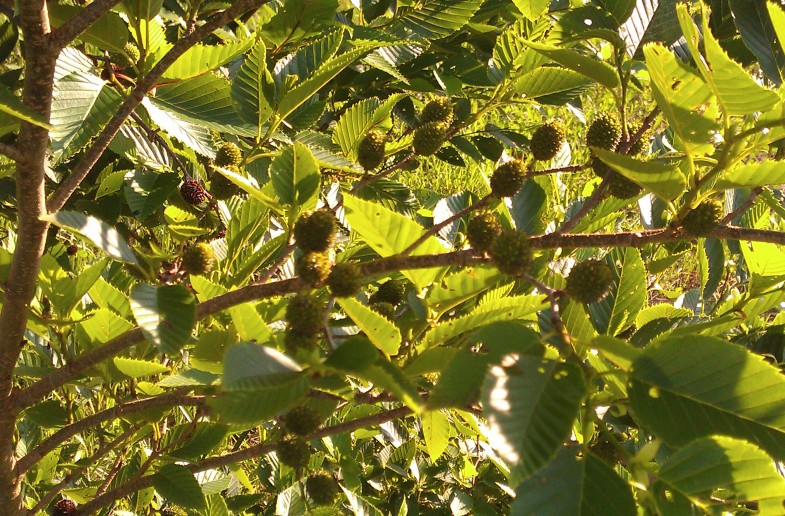
ヤシャブシの実 / Nuts of Yashabushi

'n Boom wat Shimokita voorstel、As jy 'n opname doen, sal dit 100% waar wees.。Dit word Aomori Hiba genoem, maar daar is nie baie Hiba in die Tsugaru-streek nie.。Die bekende produksiegebied vir Hiba is ongetwyfeld die Shimokita-skiereiland.。My ouers het ook die berg Hiba.、hout en verkoop dit、Dis hoe ons oupas en pa’s ons gevoed het.。So te sê, eet Hiba、Dit is asof ek grootgeword het met asemhaling in daardie geur.。In daardie sin het ek 'n verpligting om Hiba nommer een te rangskik, maak nie saak wat nie.。maar、Ek waag dit om "Yashabushi" hier te noem.。

If we have a questionnaires survey in Japan as what is the tree of representative Shimokita , it must be “Hiba ” trees that wii get 100 % of votes. As famous “Aomori-hiba” , but Hiba lives in Tugaru area in Aomori pref a little. It is the best location of product is Shimokita. My grand and my father have brought up our family by keeping Hiba forests and selling those trees. In a sense, it looks like that I heve grown up by eating “Hiba” trees and brething its beautiful perfume. So I know that I have to push it up as Nunber 1 of the tree of Shimokita. However , I’d like to nominate “Yasyabushi” as No, 1 in this time.※”Hiba” is a kind of “Hinoki ” trees. This kind of tree is valued at the best of woods from the old time in Japan.

Die palmboom is 'n sterk boom wat in enige woesteny kan groei.。Die groei van hierdie boom stabiliseer die grond.、kan die volgende stap neem。Die palmboom buig skerp、Nie sterk genoeg as boumateriaal nie、Nie net is dit van geen nut nie、Plaaslike inwoners hou nie van die boom nie omdat dit ontwikkeling belemmer.。maar、As jy mooi daaroor nadink, kan jy sê dat Yashabushi 'n leier is wat die woesteny inslaan.。In 'n sekere sin is die boom 'n klip wat agtergelaat word vir die volgende generasie.。As ons dit met mense vergelyk、Hy is 'n wonderlike ou wat nie met my vergelyk kan word nie.、Dit is ook 'n boom wat 'n gevoel van ontsag in my hart ontlok.。

“Yashabushi” is very strong trees lived in all kind of the wasteland. The soil of damp ground is stabilised by this tree that live in. That wasteland will be good condition for people’s usu. However this tree itself is not only completely usufull at timber, but it also interrut grow other plant’s up. So it has been hatred by local people. Howevew, from the other point of view, Yashabushi is like a pioneer of opening bushes. So I feel like to respect it.
 

レースフラワー / Lace flower(wild life Shimokita-5)

レースフラワーはただの雑草/Lace flower is just a weed
レースフラワー/ Laceflower

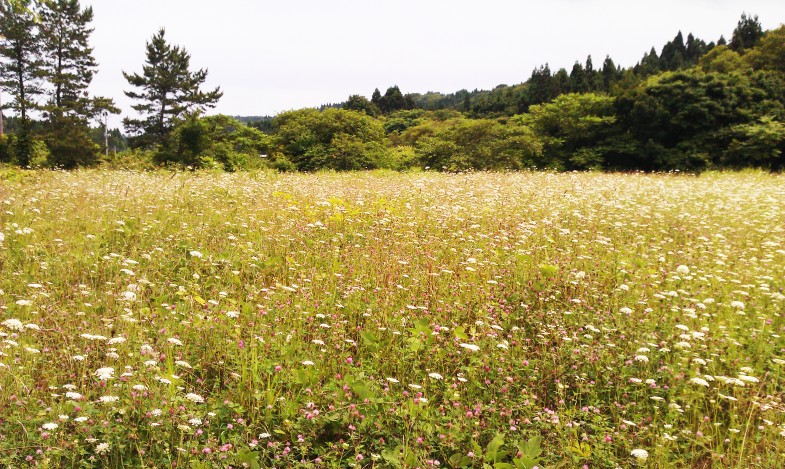
Kantblomme was in volle blom.。aan beide kante van die pad、Om die huis ook。Die onbeboude grond is soos 'n land waar saad gesaai is.、Dit het geblom。Dit is 'n onkruid in Shimokita (veral in die Higashitori-dorpie) hierdie tyd van die jaar.、Ek het dit nie opgemerk tot hierdie keer nie。Ek het vir baie jare nie teruggekeer na Shimokita gedurende hierdie seisoen nie.、Dit was 'n gevoel wat pragtig bevraagteken is.。Ek dink dit het vinnig toegeneem in die laaste paar jaar sedert ek weg was.。

There were so many laceflowres. Along every roads, surrounding the houses. It comes out in every vacant lots as a seeded fields. This flower is as typical one in Shimokita (especialy Higashi-dori villg) now, however I had not found it before. I felt it criticized me beautifully for not coming back home land for long time in this season. It may be planted for last few years and then reproduces rapidly, I think.

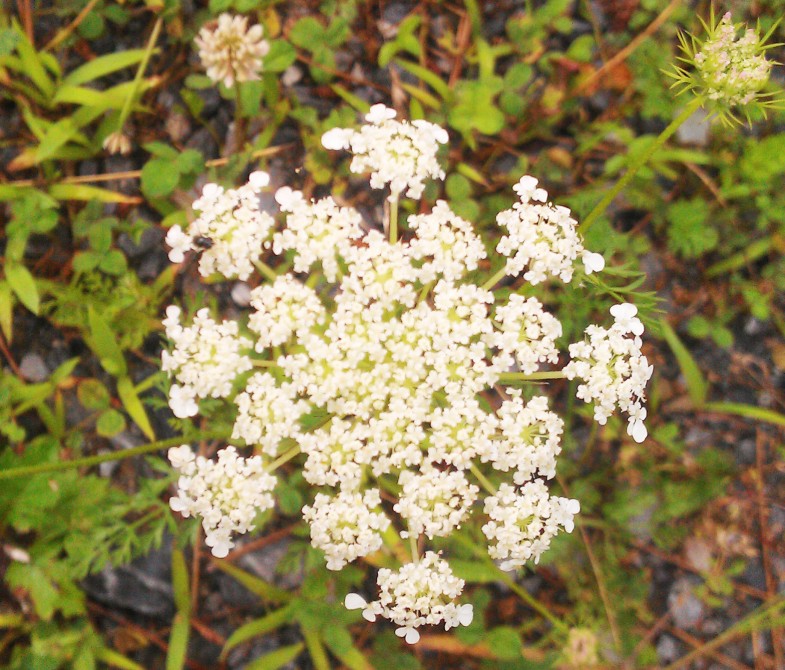
"Kantblom" is 'n generiese term。Verskeie soorte kantblomme is plaaslik bevestig.。Almal is basies blomme van die Apiaceae-familie.、kleur、vorm、Met of sonder dorings op die stam, ens.、Daar is aansienlike veranderinge。Nou in die stad、Dit blyk verbasend gewild te wees。Toe ek daarna kyk、kleur is wit、pienk、blou、swart、Dit blyk dat dinge met 'n pers kleur gekweek word.。Pryse blyk te wissel van ongeveer 90 jen tot byna 400 jen.。As elke blom 100 jen kos en daar is 10 miljoen blomme wat in die dorpie blom.、10'n Biljoen jen se skat dryf net in die wind.。Selfs as jy sê dit is 'n vermorsing, sal dit nie begin nie。Ons word saam deur die Shimokita-wind gewaai.、Dit is dalk die mees korrekte manier om dit te hanteer.。

“Laceflower” is the generic name of some kind of lacy flowers. I find it away. It has several variations on colors, shapes, prickles etc, although basicaly beongs to umbelliferae. In this time it looks popular in a city. It has been planted white ones, pink, blue, black! in many fields. These Prices are about from 90 to 400 yen per each. If it may be sold 100 yen as well, and 10 milion ones in this village, so it makes 100 milion yen. It just waves everywhere by free. But it is just a calculation. In a sense, it may be the best way that you just receive the wind in Shimokita with these laceflowers.

下北 の 自然 4 / Wild lewe Shimokita-4


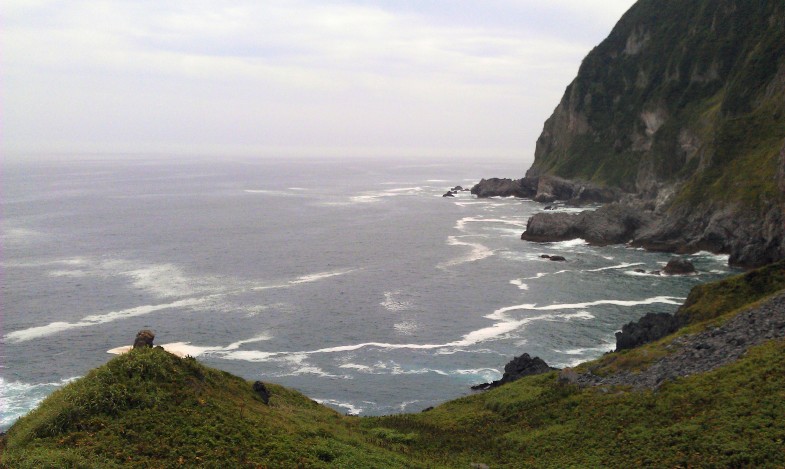
下北半島北東端からの海/Sea from the north-east point of Honsyu-island


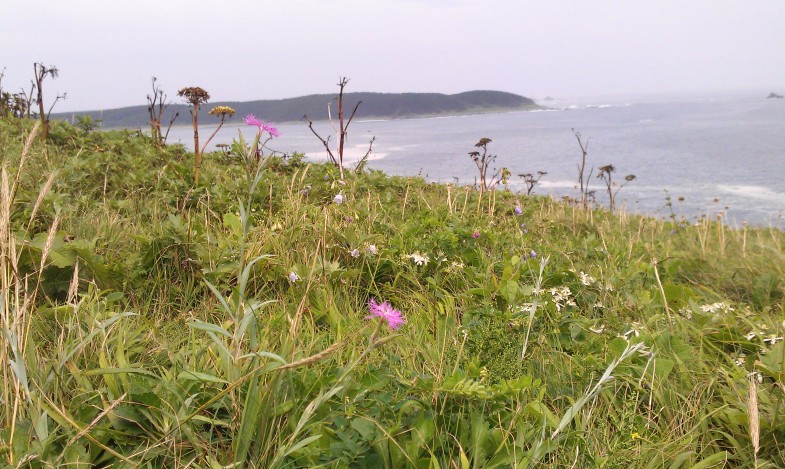
断崖上の植物群/Plants on the bluff

ほぼ2カ月ぶりの報告です忙しさや体調不良等いろいろあってどうにもできませんでしたコメント下さった方有難うございました

Thank you very much for your coments. I couldn’t afford to have the time to uplord for two months.

8月10日から23日まで実家のある下北半島・東通村へ父の新盆と母の見舞いに行ってきましたついでに数十枚の簡単なスケッチもしてきましたそれらはいずれ公開したいと思います

I had been staying Higashi-dori village in Shimokita peninsula about two weeks from August 10 to 23, to hold a Buddist memorial service for my deceased father. In Japan, the term from August 13 to 16 is called “Obon”, is held a Buddist celemony for each famirial ancestors every year. I took care of my mother there and I sketched some decades of paper in landscape at the same time. I’ d like to show my drawings after now.

東通村は本州最北東端の尻屋崎を含むいわゆるマサカリ半島の柄の東側からてっぺんまでの青森県で2番目に広い村「ヤマセ」と呼ばれる海の湿気を大量に含んだ東風が低い丘陵に当たって渦を巻き霧を発生させて日光を遮るそのため恒常的に日射不足となり気候は青森県内でも特に冷涼な地域である県内の各地よりむしろ北海道・渡島桧山地方に近い気候で夏でも最高気温が30度を越えることはあまりない逆に20度を下回ることはままある

That village where is tha top of North-east of Hon-shu island, is the second largest village in Aomori pref. This is in microthermal climate zone. There is the east wind in summer called famous “Yamase” which is included large dame air from the sea. It makes fog which cover there and block off the sunlight. This climete is similar to east side of Hokkaido island’s rather than other place in Aomori pref. It isn’t often over 30℃ high but it is sometimes under 20℃ in summer.

このような北海道とは津軽海峡にて隔てられかつ海岸冷涼湿地帯という特殊な環境による独特の動植物の生態が見られるスケッチをしているとそういうことに敏感になる例えば上の写真は高さ200メートルを越える断崖でハヤブサの数つがいの営巣が見られるまた鷹の仲間であるノスリやミサゴも近くに生息する写真下は近くの断崖上の植物群いわゆる高山植物がここでは海抜0mから見られるのである(もう少し詳しい情報は東通村・老部(おいぺ)ノーザンホテルまで)

In addition, here is separated from Hokkaido with Tsugaru channel, so we can see several distinctive kind of plants, animals and the ecology of them. Durling the sketch, I felt it repeatedly. Some couple of falcon nest in over 200 or 300 meters bluff (photo above). It is easily to see some other kind of howks, for example common buzzerd and osprey etc. You can find many alpine plants at seaside also. (If you want more information, ask Nothern hotel in higashi-dori village)