下北の自然-2 / Wild life in Shimokita-2

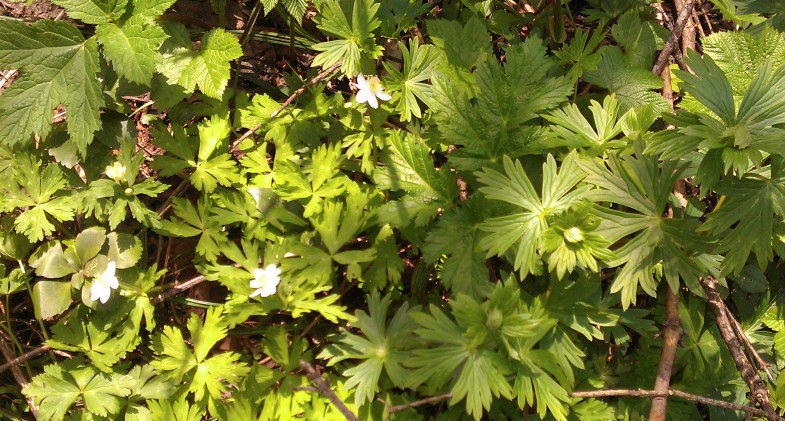
ニリンソウとトリカブト

Zdjęcie to podwójne ujęcie śledzia i akonitu zrobione 1 maja.。Jednakże、To także bardzo przerażający kawałek.。Możesz zjeść Nirinsou, ale、Dzieje się tak dlatego, że akonit to roślina, o której można powiedzieć, że jest synonimem śmiertelnej trucizny.。

Windflower (left. with little white flower. It is called “Nirin-so” in Japan ) and Aconitum (right. monkshood. It is called “Tori-kabuto” also) are in this picture was taken on May 1th 2012 in Shimokita. “Nirin” means two flowers directly. “so” means weed. “Tori” is a bird . “kabuto” means japanese traditional hat. Both have similar leaves but actually they have opposit charactor in a sense. “Nirin-so” is edible. The other is very famous for its deadly poison.

biały po lewej stronie、Uroczy kwiat to Nirinsou。Wycięcie po prawej stronie jest nieco głębokie.、Akonit ma nieco ciemniejszy kolor.。Jeśli mówisz, że są podobni, to są podobni.。Może to być naturalne, ponieważ oba należą do rodziny Ranunculaceae.。Rosną też w tym samym miejscu。Akonit już zaczyna rosnąć.、Tydzień przed rozkwitem kwiatów Nirinsou、Powinno być bardziej podobnie。

Both of them are belong to a family of Ranunculaceae, so they are grown in the same place like this. Aconitums (monkshood) are taller than before, although I’m sure they both must be take after each more at one week ago.

Co roku z powodu trucizny akonitowej、Kilka osób umiera także w Japonii.。Wczesna wiosna z Nirinsou、Wczesnym latem często mylona jest z dzikim warzywem Shidokei.。Albo jedno、Dla bezpieczeństwa konieczne jest dokładne i kompleksowe zapamiętywanie rzeczy.。Akonit to także kwiat、Również na pyłki、miód jest również trujący。Nie ma antidotum。Pszczelarze hobbystyczni powinni zachować ostrożność。

Some people will be die from poison of Aconitum every year in Japan. It has poison in not only flowers, pollens but also honey ! If you’d like to go into wild feeld and to take wild vegetables, you should better to get correct information.

Shimokita to skarbnica dzikich roślin i dzikich roślin.。Jest tam dziewicza przyroda。droga jest niezwykle wygodna。Latem temperatura w Shimokita wynosi około 20 do 25 stopni.。Nie ma potrzeby stosowania chłodnicy。raczej zimniej。Spaceruj po orzeźwiających górach i polach、Nieźle jest widzieć duże skupiska ciemnoniebieskich kwiatów akonitu.。

Shimokita peninsula is like a paradise for wild flowers and wild vegetables. The weather will be good for driving, trekking etc in summer time. Enjoy for seeing big colonies filled up with deep blue flowers of Aconitums. 2012/5/2
下北の自然 / Wild life in Shimokita


水芭蕉は、下北半島を代表する「雑草」のひとつである。水芭蕉と言えばすぐ尾瀬と連想するように、高山植物と思っている人も多いに違いない。下北では海抜0mから、水さえあればどこにでも生える、やや「目障りな」雑草だ。

Skunk cabbage are one of representable weeds in Shimokita peninsula. Most people will associated them with alpine plants in Oze. They are grown everywhere wet over sea level.

「目障り」と言っても、水芭蕉それ自体を嫌っているというわけではない。それが生えている場所がヤチ(ヤヂ)、すなわち何の用途にも使えない湿地だということを示しているからだ。至る所でそれが見られるということが何を意味するかは、ご想像の通りである。

Skunk cabbage are by no means welcomed here as the place living them means useless land called “yachi” or “yaji”. In Shimokita peninsula, there are a lot of white flowers all over the place.

2012/5/1


四十九日 / 49th day

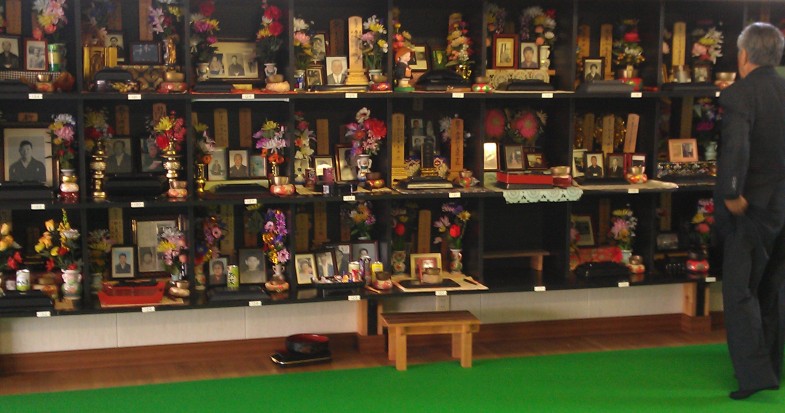
老部(おいぺ)待休所にて  Oipe memorial place

父の四十九日の法要で、下北・東通村に帰省した。4月29日、さらりと法要を終え、それまでの仮位牌を集落の待休所(念仏婆の為の集会所、祈念堂。恐山と近似の民間信仰的色彩が面白い)に移し、これで父も先祖の一人となった。

I’ve been Higashi-dori village for my father’s memorial celemony based on buddism in Shimokita. It means 49 days passed from his death. It is quite common and important custom in Japan. After this celemony, all of living member of his family are able to do ordinary behavior. And then his spirit turn to one of our ancestors. 2012/4/30

日本仏教では、死後49日というのはとても重要な意味を持っている。日本仏教では死んだ日を1日目とし、7日ごとに死者の生前の功徳についての裁判が行われるとする。初七日は最初の裁判となり、死者といえども「あの世での生死」がどうなるか、の最初の裁判が行われるため緊張する。そこで遺族が応援、援護しようと、最初のお布施を行う。お布施とは社会への寄付であり、必ずしもお坊さんに対して行うという意味ではない。要するに亡くなった故人の、社会貢献の不足分を遺族が代行するということだ。そして7日ごとに裁判が行われ、最終第7回目で結審する。審理は必ず7回で行われ、最終回が最も重要だ。ここでアウトなら死者は極楽浄土には行けず、地獄に落ちることになる。そのため遺族が死者に対して最後の、お礼としてのお布施を積んで、死者のバックアップをすることが重要になる。この後ではもうチャンスが無いのだ。49日の法要が最も大事だというのはそういう意味である。

“After 49 days from death” has very impottant meaning for japanese buddism. They say that every death person must be on trial every 7 days after death about his contribution to society (it colled “kudoku” ) at their living time. If the judgement means too short, that death person can not go to Heaven. The 49 days mean the 7th trial. This is final and most impotant chance. S0 most bareaved family would like to help them from this living world. Actually we served gorgeous dinner and money to the buddist priest specially. Sometimes it seems that cost is very big money .

この法要は僧侶にとっても、収入源として極めて重要な意味を持っている。現代日本において、仏教は既に存在していないに等しいが、死者の葬送に関してだけは依然として大きな存在感を持っている。「葬儀経済」はいわば日本仏教の命綱なのである。しかも遺族の悲しみと、悲しみを相対化し、できるだけ心理的負担を軽く済まそうという社会的ニーズのはざま、そして温暖化による死体腐乱との時間的プレッシャーとの合間に、ドサクサ的ではあるが巨大な存在感を持っている。それが49日法要の現代的意義であるが、われわれ日本人は、葬儀に関しては問題化しないという、不思議な国民性を有しているのである。

This celemony is not only important for death person but the priest also on a viewpoint of economy. In Japan, real buddism seems disappeared already but it has strongly existance around the celemony like this. Economy with death celemony is a life-line for japanese buddism indeed. Although most of japanese feel death celemony is out of all problem.